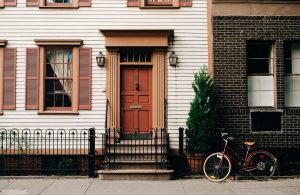
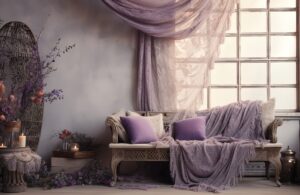
The vintage aesthetic draws inspiration from past decades — typically the 1920s through to the 1980s — blending nostalgia with character. It celebrates worn textures, muted colour palettes, and furniture with history. Rather than chasing the latest trends, vintage interiors embrace pieces that tell a story, creating spaces that feel lived-in, warm, and deeply personal.
Why vintage interiors are having a moment
There has been a noticeable shift away from sleek, minimalist design in recent years. Homeowners are gravitating towards spaces that feel more human — layered, imperfect, and full of personality. Sustainability is also playing a role. Choosing second-hand furniture and reclaimed materials reduces waste and gives discarded objects a new lease of life, which appeals to environmentally conscious decorators.
Choosing the right colour palette
Colour is one of the most powerful tools in achieving a vintage look. Dusty pinks, sage greens, mustard yellows, and warm terracotta tones all evoke a sense of the past. These shades work particularly well on walls when finished in a matte or chalky texture. Avoid anything too bright or too stark — vintage palettes are typically softer and slightly faded, as if the light has gently washed them over many years.
Finding the right furniture
Sourcing furniture is one of the most enjoyable aspects of building a vintage interior. Car boot sales, antique markets, and online platforms like eBay and Vinted are excellent starting points. Look for pieces with solid wood construction, curved silhouettes, and original hardware. Mismatched items often work better than matching sets — the slight inconsistency adds authenticity and prevents the space from looking like a museum recreation.
Layering textiles and accessories
Textiles bring warmth and depth to a vintage room. Think embroidered cushions, crocheted throws, velvet curtains, and patterned rugs in faded botanical or geometric prints. Accessories matter just as much as large furniture pieces. Framed vintage prints, ceramic ornaments, brass candlesticks, and stacked hardback books all contribute to the overall atmosphere. The key is to build up layers gradually rather than filling a room all at once.
Mixing vintage with modern
A fully vintage interior can sometimes feel overwhelming. The most effective approach is to mix antique or retro pieces with contemporary elements, allowing each to complement the other. A Victorian fireplace looks striking against a freshly plastered wall. A mid-century sideboard gains new life when styled with a modern table lamp. This balance keeps the space feeling relevant and functional without sacrificing its nostalgic charm.
Getting started with your own vintage space
You do not need to overhaul an entire room to achieve the vintage look. Start small — perhaps with a single statement armchair, a collection of mismatched frames, or a set of vintage-inspired light fittings. Observe how the changes sit within your existing space before committing to more. Over time, each carefully chosen piece will contribute to a home that feels genuinely unique, reflective of your own taste, and refreshingly free from the throwaway aesthetic of mass-produced interiors.